

WOOD REPAIR EDUCATION
Wood Repair Learning Center
The Wood Repair Learning Center helps you identify wood damage, understand what causes wood rot, choose the correct repair method, and plan wood repairs with practical guidance for homeowners and contractors.
START HERE
Find Guidance in the Wood Repair Learning Center
The Wood Repair Learning Center is organized around the decisions people make during a real repair: identify the problem, evaluate the damage, choose a repair method, and protect the finished work. Choose the stage that best matches your project. Each pathway leads to the most relevant inspection, repair, finishing, and protection guidance.
New to Wood Repair?
Learn the basic causes of wood deterioration, how epoxy restoration works, and what a complete repair involves before choosing products.
Diagnose the Damage
Identify warning signs, determine how far deterioration extends, and decide whether the affected wood is a practical repair candidate.
Plan and Complete the Repair
Follow preparation, consolidation, rebuilding, shaping, and finishing guidance for common exterior and structural wood projects.
Protect the Finished Work
Learn how moisture control, protective treatments, coatings, and preventive maintenance help extend the service life of repaired wood.
POPULAR WOOD REPAIR GUIDES
Start With the Questions Most People Ask
These guides address the most common decisions at the beginning of a wood restoration project. They provide a practical starting point before moving into a product guide or project-specific repair article.
Can Rotten Wood Be Repaired?
Understand when localized deterioration can be restored and when replacement or structural evaluation may be more appropriate.
Repair or Replace Rotten Wood?
Compare the main factors that influence whether damaged wood should be rebuilt in place or removed and replaced.
How to Tell if Wood Is Rotten
Learn how to inspect suspicious areas, recognize deterioration, and distinguish surface damage from deeper decay.
What Causes Wood Rot?
See how moisture, failed coatings, joints, drainage, and construction details create conditions that allow wood decay to develop.
Choosing the Right WRP Repair Kit
Compare kit sizes and material quantities based on the number, depth, and overall volume of the repairs you need to complete.
How to Prepare Wood for Repair
Review the preparation steps that create a clean, stable repair area before consolidants or rebuilding materials are applied.
Wood Filler vs. Epoxy Wood Repair
Compare conventional wood filler and epoxy repair materials to determine which is better for small surface defects, deeper cavities, and exterior restoration.
Epoxy vs. Polyester Wood Filler
Learn how epoxy and polyester fillers differ in bonding, flexibility, working time, sanding, repair depth, and long-term exterior performance.
EXPLORE BY TOPIC
Browse the Wood Repair Learning Center by Project and Repair Stage
Use the filters or browse the complete directory below. Every guide remains visible and crawlable, while the categories make it faster to find the right next step.
Diagnose Wood Damage & Plan a WRP Repair
Understand why wood deteriorates, how to inspect damage, and when repair is appropriate. For additional technical background, review the USDA Wood Handbook.
Windows, Doors & Exterior Trim
Find focused guidance for the trim components most often damaged by leaks, failed coatings, and trapped moisture.
Decks, Railings, Posts & Outdoor Wood
Explore repairs for exterior components exposed to weather, ground contact, end-grain moisture, and recurring coating failure.
Structural & Large Repairs
Review larger repair conditions that may require reinforcement, staged rebuilding, or professional structural evaluation.
Core Repair Materials, Preparation & Wood Protection
Understand what each WRP material does, when to use it, and how the complete restoration system works together.
- Choosing the Right WRP Repair Kit
- Wood Consolidant Explained
- Epoxy Wood Repair Dough Guide
- Wood Filler vs. Epoxy Wood Repair
- Epoxy Wood Filler vs. Polyester Wood Filler
- When to Use WRP Topping Compound
- How to Use Cobra Rods
- How to Use CuB Liquid
- How to Clean Weathered Wood Before Repair
- How to Use Board Defense
Showing all guide categories.
WOOD REPAIR GUIDES
Learn From Common Wood Repair Projects
Explore real WRP restoration examples involving fascia, pergola beams, window trim, stairs, structural beam ends, and columns. Start by learning what causes wood rot, then review how the WRP repair process works.
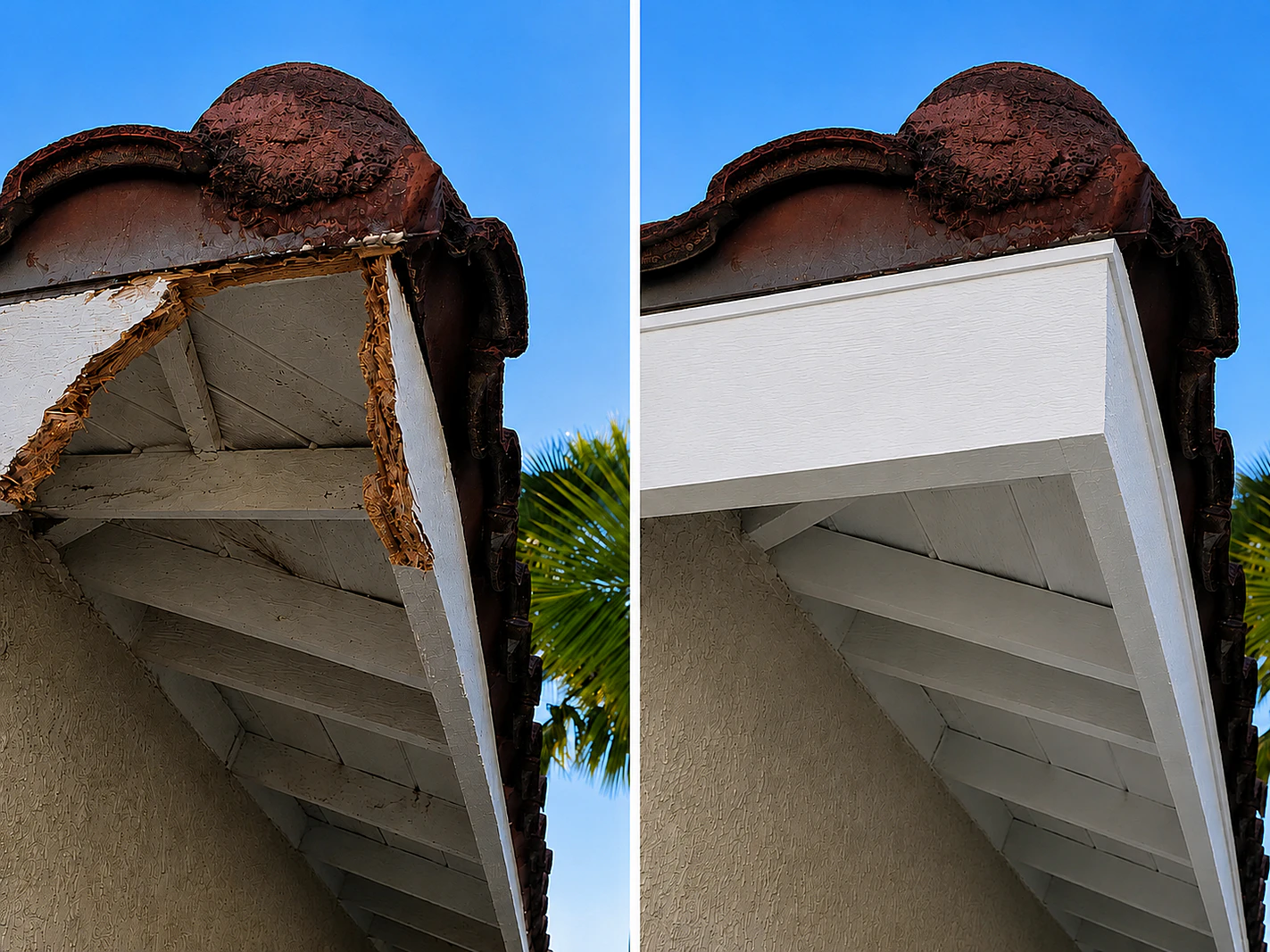
Fascia Board Repair
See how deteriorated fascia can be restored in place after the moisture source and damaged material are properly addressed.
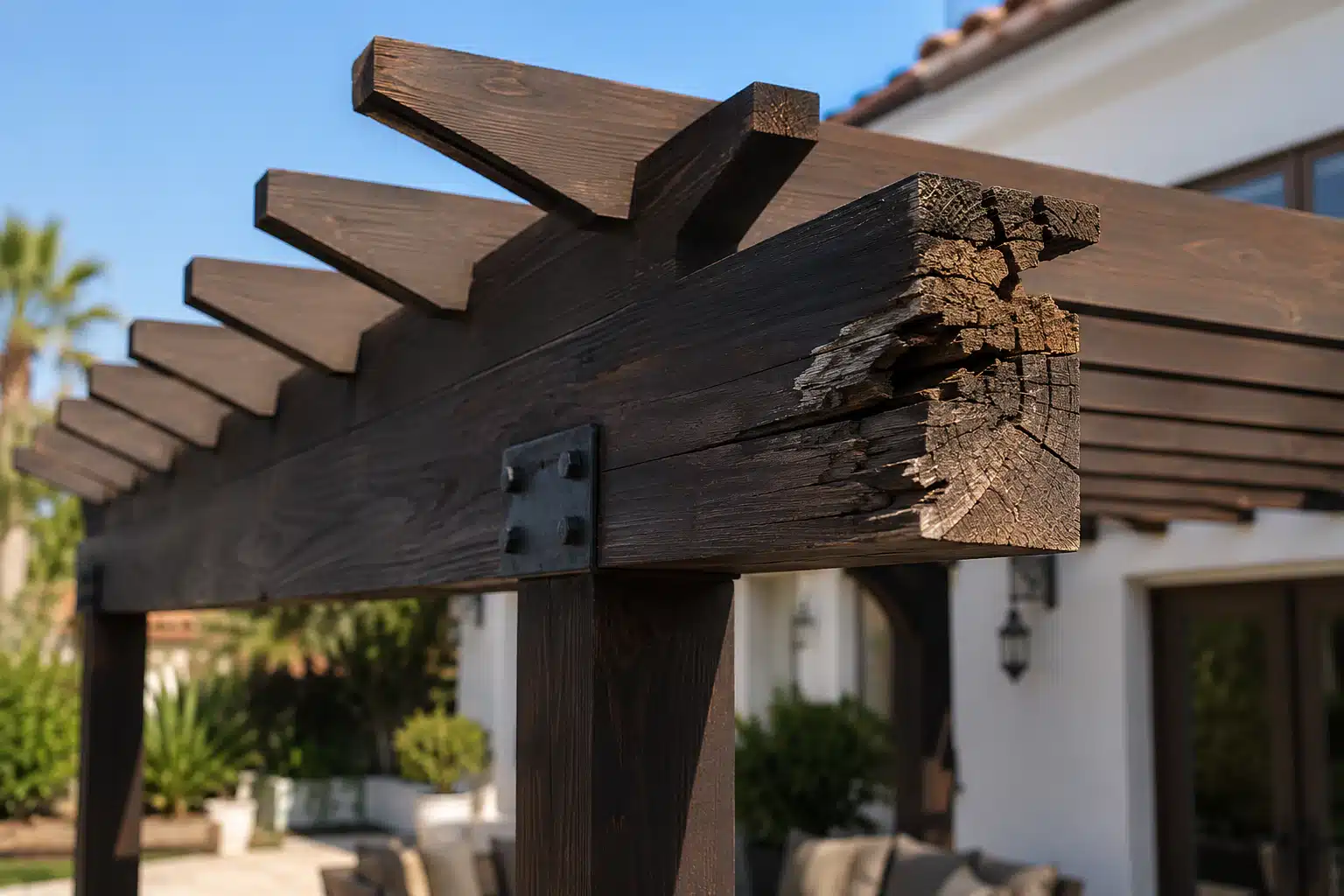
Pergola Beam Repair
Learn how to inspect a damaged pergola beam, remove unsound wood, rebuild localized deterioration, and protect the completed repair.
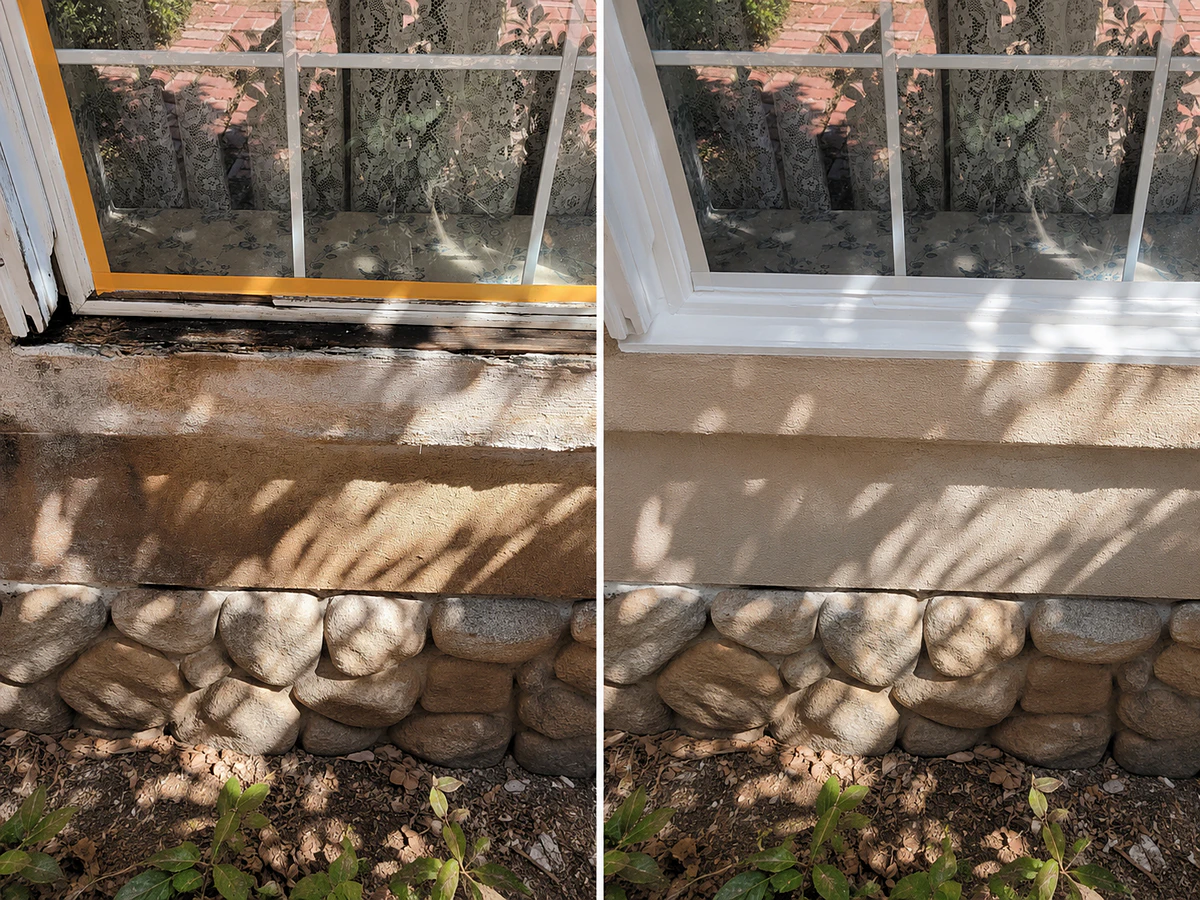
Window Sill and Trim Repair
See how moisture-damaged window trim can be cleaned, rebuilt, shaped, and refinished without replacing the entire assembly.
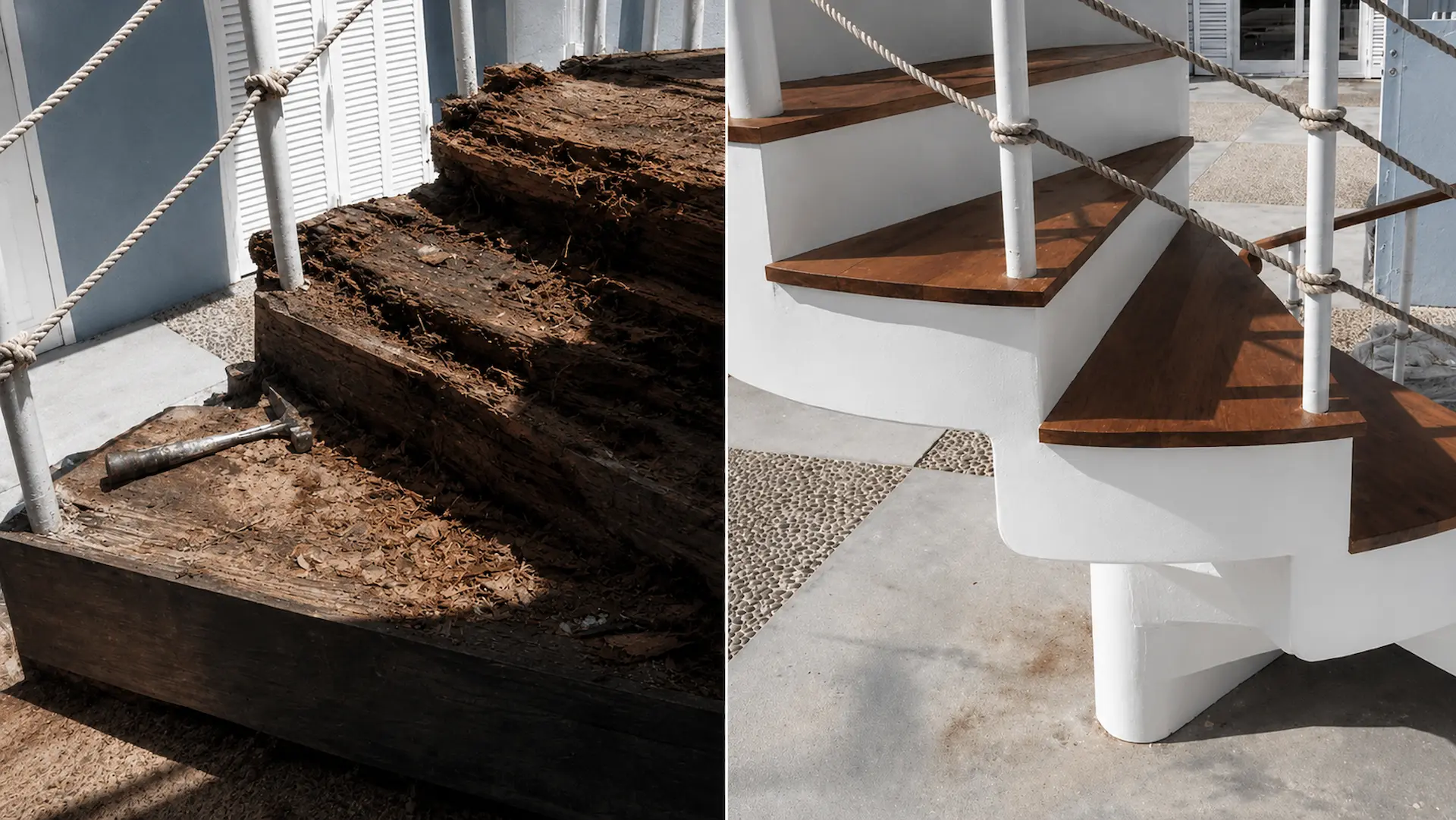
Deck and Stair Repair
Review how damaged stair and deck components may be restored after loose decay and ongoing moisture are corrected.
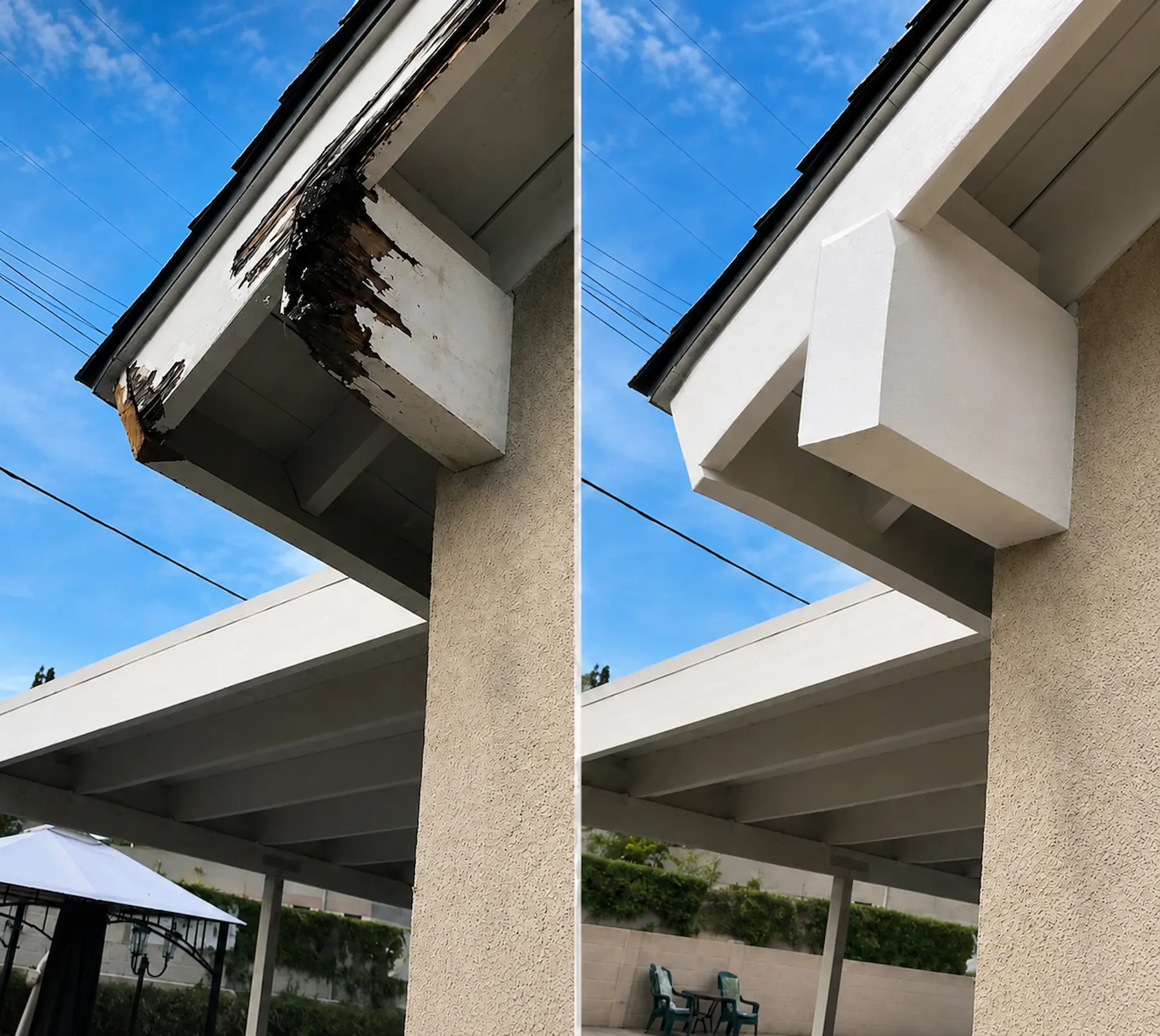
Structural Beam-End Repair
See how localized deterioration at a beam end can be evaluated, reinforced, rebuilt, and finished.
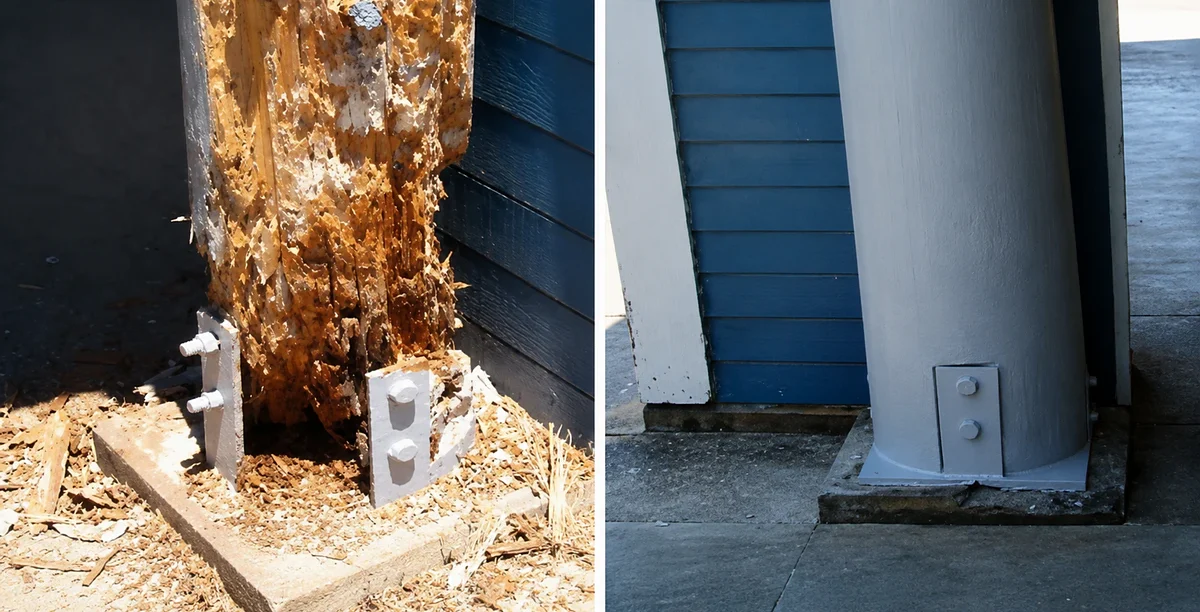
Column and Post-Base Repair
Review a real repair involving moisture damage near the base of an exterior wood post or column.
THE COMPLETE WOOD REPAIR ROADMAP
Follow the Repair From Inspection to Protection
Use this roadmap to understand where each Wood Repair Learning Center guide fits within a complete repair. Select a stage for focused instructions and related project guidance.
Inspect
Identify warning signs, locate moisture sources, and determine how far the damage extends.
Remove Damage
Remove loose, deteriorated fibers while preserving stable wood that can remain in service.
Clean and Prepare
Clean weathered wood, remove surface contamination, allow it to dry, and create the conditions needed for reliable adhesion.
Strengthen
Consolidate weakened fibers and reinforce suitable wood before rebuilding missing sections.
Rebuild
Replace missing wood volume with repair dough and restore the component's original profile.
Shape and Texture
Refine the cured repair, smooth transitions, and recreate the surrounding wood texture.
Prime and Paint
Seal the repair with a compatible primer and finish coating suited to the surrounding surface.
Protect
Reduce future moisture exposure and maintain coatings so the completed repair lasts longer.
GUIDANCE BY AUDIENCE
Wood Repair Resources for Every Type of Project
After choosing a repair topic, use these audience pathways for guidance tailored to homeowners, contractors, and property professionals.
For Homeowners
Learn how to recognize wood rot, decide whether damaged wood can be repaired, prepare the area correctly, and choose the right WRP kit for common exterior projects.
For Contractors
Review preparation, consolidation, reinforcement, rebuilding, finishing, and protection guidance for repeatable professional repairs and larger restoration work.
For Property Managers
Plan recurring repairs, reduce unnecessary replacement, document completed work, and build practical maintenance programs for multiple properties or community assets.
REAL WRP REPAIRS
Learn From Real WRP Wood Restoration Projects
See how homeowners, contractors, and property professionals use the WRP Wood Repair System to restore damaged wood in place. Browse the complete Before & After Gallery or explore the featured Hawaii Community Wood Restoration Project.
View Completed Wood Repairs
Review fascia, beams, trim, columns, stairs, and other real restoration projects completed with WRP products.
Hawaii Community Wood Restoration Project
See how a 97-unit Hawaii community used more than 100 gallons of WRP epoxy while reducing extensive wood replacement.
Explore Professional Applications
Learn how contractors and property managers use WRP for recurring maintenance, structural repairs, and restoration programs.
WOOD REPAIR QUESTIONS
Wood Repair Learning Center Frequently Asked Questions
Start with these common questions, learn what causes wood rot, review the complete WRP repair process, or visit the full WRP FAQ for additional guidance.
Where should I start if I find rotten or damaged wood?
Begin by finding the source of the moisture and determining how far the damage extends. Remove loose deterioration only after the leak, drainage problem, or failed coating has been addressed. Then review how the WRP repair process works.
Can rotten wood be repaired instead of replaced?
Many localized areas can be repaired when enough sound wood remains and the moisture source can be corrected. Browse Can Rotten Wood Be Repaired? to see fascia, beams, posts, trim, and stairs restored in place.
Which Learning Center guide should I read first?
Start with What Causes Wood Rot? to understand why damage develops and how to recognize the warning signs. Then choose the project guide that most closely matches the area you need to repair.
How do I choose the correct WRP repair kit?
Kit size depends on the number, depth, and overall size of your repairs. Browse the Choosing the Right WRP Repair Kit to compare products, or contact WRP for help selecting the correct materials.
Are these guides suitable for homeowners and professionals?
Yes. The Learning Center is written for homeowners, contractors, painters, maintenance teams, restoration specialists, and property managers. Structural conditions should always be evaluated individually.
Will more wood repair guides be added?
Yes. New guides will cover damage identification, repair methods, product use, prevention, finishing, and common projects such as fascia, window trim, beams, posts, and stairs.
READY TO START?
Choose the Right WRP System for Your Repair
Continue exploring the Wood Repair Learning Center through the complete article directory, review how the WRP repair process works, browse WRP wood repair products, check Technical Documents for product details, or contact our team if you need help selecting materials for your project.
Not Sure Which Products You Need?
Use the WRP Repair Wizard to narrow down kit size and product choices.