
PROJECT TYPES & REPAIRS
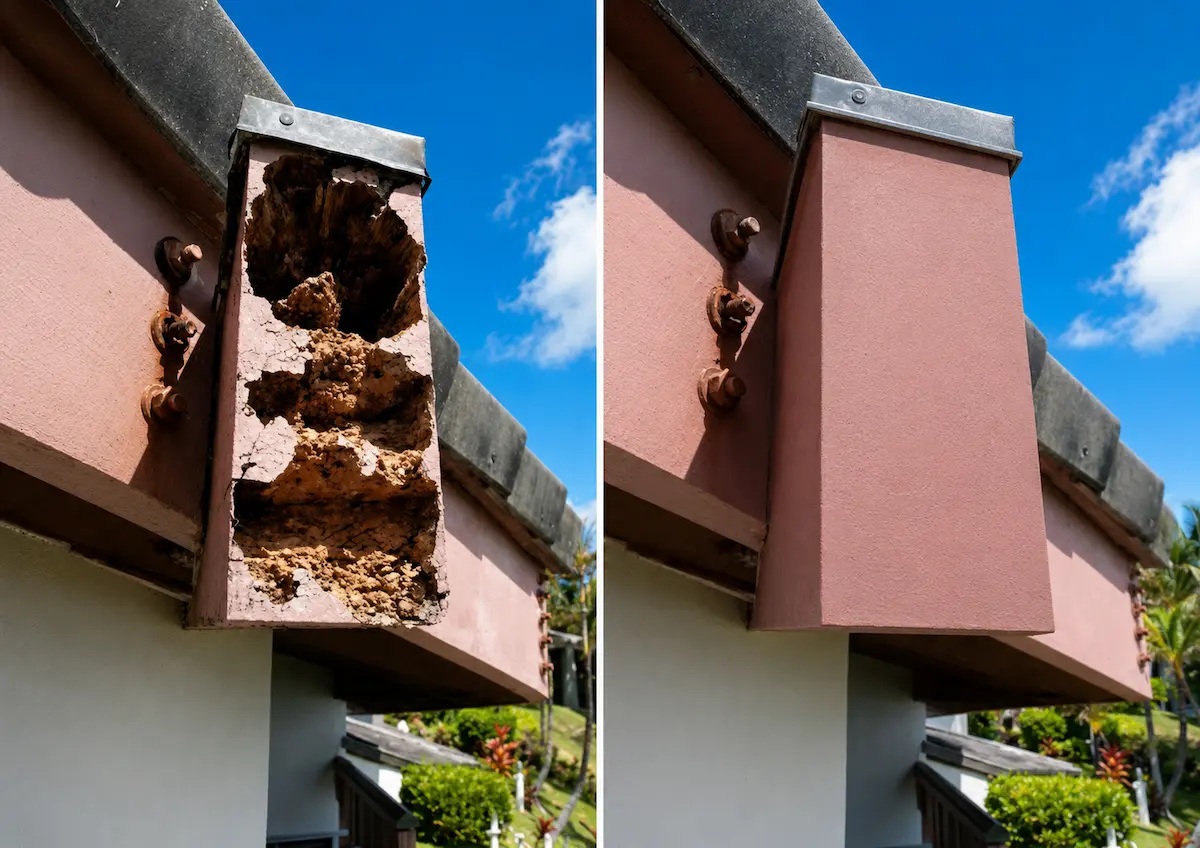
How to Repair Rotten Structural Beam Ends
Learning how to repair structural beam ends begins with determining whether the deterioration is localized and whether enough sound wood remains for a dependable repair. Rotten structural beam ends do not always require complete replacement. This guide explains how to inspect the beam, remove unsound wood, strengthen suitable remaining material, rebuild the missing section, and finish the repair. Because the member is structural, its bearing, connections, load path, temporary support, and repair design must be evaluated before work begins.
UNDERSTANDING THE DAMAGE
Why Beam Ends Rot Before You Repair Structural Beam Ends
Before you repair structural beam ends, identify why the wood deteriorated and how far the damage extends. Structural beam ends are among the most common locations for wood rot because they are frequently exposed to rain, standing moisture, and years of weathering. Water often enters through end grain, failed flashing, leaking roofs, or beam pockets where moisture becomes trapped. If left untreated, decay can extend deep into the beam, reduce the effective wood cross-section, weaken connections or bearing areas, and compromise structural capacity.
End Grain Absorbs Water
Exposed beam ends readily absorb moisture through the end grain, allowing water to penetrate deep into the wood fibers.
Failed Flashing or Roof Leaks
Damaged flashing, leaking roofs, and poor waterproofing allow moisture to repeatedly reach structural beams over many years.
Moisture Becomes Trapped
Beam pockets, trim details, and enclosed framing can trap moisture, creating ideal conditions for fungal decay to develop out of sight.
Delayed Maintenance
Small cracks, peeling coatings, and minor water intrusion can gradually develop into extensive beam-end deterioration if maintenance is delayed.
Learn What Causes Wood Rot?, discover how WRP Wood Consolidant strengthens weakened wood, review How WRP Works, or explore additional repair guides in the WRP Learning Center.
INSPECT BEFORE YOU REPAIR
How to Inspect Structural Beam Ends Before Repair
Before repairing a deteriorated beam end, determine how far the damage extends and whether the remaining beam is structurally sound. While many beam ends can be successfully restored, every structural repair should begin with a careful inspection to identify hidden decay, determine the source of moisture, and evaluate whether repair is appropriate for the specific application. Because decay causes loss of cross-section and integrity, repairs involving bearing, shear, tension, bending, connectors, or significant member loss should be designed or reviewed by a qualified structural professional and completed in accordance with applicable building requirements. See the USDA Forest Products Laboratory timber-restoration guidance for technical background.
Inspect the Entire Beam
Examine the beam end, top, bottom, sides, adjoining framing, and any concealed areas to determine how far deterioration extends beyond the visible damage.
Probe for Hidden Decay
Use a screwdriver or awl to locate soft wood beneath the surface. Sound wood should feel solid, while decayed wood will compress, crumble, or allow the tool to penetrate easily.
Identify the Moisture Source
Determine whether leaking roofs, failed flashing, poor waterproofing, exposed end grain, or trapped moisture caused the deterioration before beginning repairs.
Evaluate Structural Condition
Before repairing any load-bearing beam, verify that the remaining beam is structurally suitable for repair. When there is uncertainty, consult a qualified structural engineer or other appropriate professional.
Learn How Much Rotten Wood Should Be Removed?, review How to Prepare Wood for Repair, discover WRP Wood Consolidant, or see How WRP Works.
PREPARE THE REPAIR
How to Remove Deteriorated Wood from Structural Beam Ends
A durable beam-end repair begins by removing material that is loose, crumbling, detached, contaminated, or unsuitable for the specified repair. Remove unsound material only after the member has been evaluated and supported as needed. Preserve suitable original wood and stop when further removal could affect bearing, connections, stability, or the verified repair design. Proper preparation provides the strongest possible foundation for the WRP Wood Repair System.
Remove Every Soft Area
Continue removing deteriorated wood until you reach solid, structurally sound material capable of supporting the repair.
Preserve Healthy Wood
Remove only deteriorated material whenever possible. Retaining sound wood helps preserve the beam while minimizing the size of the repair.
Correct the Moisture Problem
Repair leaking roofs, flashing, waterproofing, or drainage issues before rebuilding the beam to help prevent future deterioration.
Clean the Repair Area
Remove dust, loose fibers, old coatings, and debris so WRP Wood Consolidant can properly penetrate the remaining wood.
Prepare for Consolidation
Once the repair area is clean and solid, apply WRP Wood Consolidant to strengthen the remaining wood before rebuilding the missing beam end.
Structural Repairs Require Planning
When repairing load-bearing beam ends, ensure the beam is properly supported and that any structural concerns have been evaluated before beginning the restoration.
Next, learn how WRP Wood Consolidant strengthens weakened wood, review How to Prepare Wood for Repair, continue with the Epoxy Wood Repair Dough Guide, or see the complete WRP repair process.
STRENGTHEN THE WOOD
How to Strengthen Structural Beam Ends Before Rebuilding
After all deteriorated wood has been removed, the remaining beam should be strengthened before rebuilding the damaged section. WRP Wood Consolidant penetrates deeply into porous wood fibers, penetrating porous, suitable remaining wood and creating a prepared foundation for WRP Epoxy Wood Repair Dough. This can help preserve suitable original material, but consolidant and surface rebuilding do not replace structural evaluation or an engineered load-transfer design where one is required.
Deep Wood Penetration
WRP Wood Consolidant penetrates deep into porous wood fibers, strengthening weakened wood from within instead of simply coating the surface.
Creates a Strong Foundation
Consolidating the remaining beam provides an excellent foundation for WRP Epoxy Wood Repair Dough, maximizing the strength and durability of the finished repair.
Preserve the Original Beam
Strengthening existing wood allows much of the original beam to remain in place while restoring only the deteriorated sections.
Ready for Rebuilding
Once the consolidant has cured according to the product instructions, the beam end is ready to be rebuilt using WRP Epoxy Wood Repair Dough.
Important Structural Note
WRP Wood Consolidant strengthens weakened wood, but every structural repair should be evaluated based on the condition of the remaining beam. Follow accepted structural repair practices, provide temporary support when necessary, and consult a qualified structural engineer or other appropriate professional whenever the beam's load-bearing capacity is uncertain.
Learn more about WRP Wood Consolidant, continue with the Epoxy Wood Repair Dough Guide, review How WRP Works, or browse the WRP Product Line.
REBUILD THE MISSING WOOD
How to Rebuild Structural Beam Ends with WRP Epoxy Wood Repair Dough
Once the remaining beam has been strengthened with WRP Wood Consolidant, the missing wood can be rebuilt using WRP Epoxy Wood Repair Dough. The epoxy is hand mixed, firmly packed into the repair, and shaped to restore the original beam profile. After curing, it can be sanded, drilled, machined, primed, and painted for a professional finish.
Mix Thoroughly
Mix equal parts of the epoxy repair dough until the color is completely uniform. Proper mixing produces maximum strength and a consistent cure.
Pack the Repair Completely
Compress the epoxy firmly into every part of the repair cavity to eliminate air pockets and create a strong bond with the consolidated beam.
Restore the Original Profile
Shape the repair to match the original beam dimensions and profile. Leave the repair slightly proud so it can be sanded perfectly flush after curing.
Finish Like Real Wood
After curing, sand the repair smooth. If needed, apply WRP Topping Compound and blend Fine, Medium, and Coarse Texture Powders to recreate the surrounding wood grain before priming and painting.
Structural Repair Considerations
Repairs to load-bearing beams should be completed only after the beam has been properly supported and evaluated. Depending on the application, reinforcement such as composite rebar, steel plates, or other engineered repair methods may be appropriate. Follow accepted structural repair practices and consult a qualified structural engineer or other appropriate professional whenever required.
Continue with the WRP Epoxy Wood Repair Dough Guide, learn when to use WRP Topping Compound, review How WRP Works, or browse the complete WRP Product Line.
COMPLETE THE RESTORATION
How to Finish and Protect Repaired Structural Beam Ends
Completing the repair correctly helps protect both the restored beam end and the remaining original wood. After rebuilding the damaged section, sand the repair smooth, recreate the surrounding wood texture if needed, then prime and paint or apply the appropriate protective coating. Eliminating the source of moisture is essential to help prevent future deterioration.
Sand the Repair Smooth
Shape and sand the cured epoxy until it blends seamlessly with the surrounding beam before applying any finish coatings.
Texture, Prime, and Protect
If needed, apply WRP Topping Compound and blend Fine, Medium, and Coarse Texture Powders to recreate the wood grain before priming, painting, or applying the appropriate protective finish.
Eliminate Water Intrusion
Repair flashing, roof leaks, waterproofing details, and drainage problems so water cannot repeatedly reach the beam end.
Inspect Regularly
Periodically inspect exposed structural beam ends for cracked coatings, moisture intrusion, or early signs of deterioration so maintenance can be performed before significant damage develops.
Ongoing Structural Maintenance
Structural beams should be inspected as part of routine building maintenance. Promptly addressing water intrusion, damaged protective coatings, and minor deterioration can significantly extend the service life of the beam and help avoid larger structural repairs in the future.
Continue learning when to use WRP Topping Compound, discover what causes wood rot, review How WRP Works, or explore additional repair guides in the WRP Learning Center.
REPAIR OR REPLACE?
When to Repair Structural Beam Ends or Replace Them
The decision to repair structural beam ends or replace them depends on the remaining wood, connections, bearing, and approved repair design. Not every deteriorated structural beam requires complete replacement. Many beam-end repairs can be successfully completed when the deterioration is localized and the remaining beam is structurally sound. Every structural repair should be carefully evaluated to determine whether restoration is appropriate for the specific application.
Evaluate the Beam
Determine whether the deterioration is confined to the beam end or extends farther into the structural member or adjoining framing.
Remove All Deteriorated Wood
Remove every section of loose and decayed wood while preserving as much structurally sound material as possible.
Restore the Beam End
Strengthen the remaining wood, rebuild the missing section, and restore the original beam profile using the WRP Wood Repair System when appropriate.
Protect the Repair
Prime, paint or apply the proper protective coating, and eliminate the source of moisture to help prevent future deterioration.
Repair When
The deterioration is localized, sufficient sound wood remains, and the beam can be safely restored using accepted structural repair practices.
Replace When
Deterioration has significantly compromised the beam's structural capacity, extends beyond a practical repair area, or an evaluation determines replacement is the safer option.
Need Help Evaluating Your Beam?
Contact WRP with photos of the damaged beam. We can help you determine whether the beam appears to be a good candidate for repair and recommend the appropriate WRP products.
Important Structural Notice
Structural beam repairs should only be performed after the beam has been properly evaluated and supported. If there is any doubt about the remaining structural capacity or repair design, consult a qualified structural engineer or other appropriate professional before proceeding.
Continue learning with Choosing the Right WRP Repair Kit, How WRP Works, Before & After Projects, or explore more repair guides in the WRP Learning Center.
CHOOSE THE RIGHT MATERIALS
Best WRP Kits to Repair Structural Beam Ends
To repair structural beam ends successfully, choose a kit based on the volume of missing wood, the number of repair locations, and the approved repair design. Structural beam-end projects commonly require more material than small trim repairs, so measure the repair cavities after all unsound wood has been removed. Kit selection does not replace structural evaluation, temporary support, or engineered reinforcement when those are required.
Starter Kit
Best suited to small, localized beam-end voids or minor restoration details where only a limited amount of rebuilding material is required.
Medium Kit
A practical choice for moderate, localized beam-end repairs when the prepared cavity requires more material than a small trim or surface repair.
Large Kit
Often appropriate for larger beam-end cavities, deeper rebuilds, or projects with several repair areas that require substantial epoxy dough and consolidant.
XL Kit
Designed for major restoration work, multiple beam ends, or larger contractor projects where the approved repair scope requires a higher volume of materials.
REAL-WORLD STRUCTURAL RESTORATION
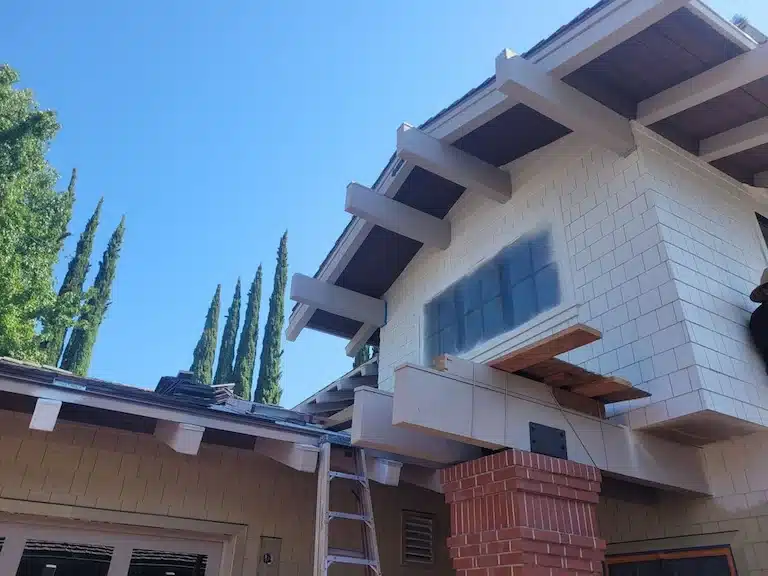
Hunt Club Structural Beam Restoration
At the Hunt Club in San Juan Capistrano, severely deteriorated exposed beams were restored after a replacement proposal reportedly exceeded $1 million and would have required roof removal. WRP reviewed the project, developed the restoration approach, trained the contractor’s crew, supplied the repair system, and provided ongoing technical guidance.
WRP SIGNATURE PROJECT
Preserving Existing Beams Instead of Removing the Roof
The contractor completed the restoration for a reported cost under $100,000 while retaining sound portions of the original beams and avoiding the extensive demolition associated with full replacement.
- Reported replacement proposal exceeding $1 million
- On-site contractor crew training by WRP
- Original beam system preserved where appropriate
- Reported restoration cost under $100,000
FREQUENTLY ASKED QUESTIONS
Frequently Asked Questions About Repairing Structural Beam Ends
These answers cover common questions contractors, property managers, maintenance teams, and building owners ask before restoring a deteriorated structural beam end with the WRP Wood Repair System.
Can a rotten structural beam end be repaired?
In some cases, yes. A beam end may be repairable when the deterioration is localized, sufficient sound wood remains, and the proposed repair is appropriate for the beam's structural function. Load-bearing repairs should be evaluated before work begins.
What causes structural beam ends to rot?
Common causes include exposed end grain, failed flashing, roof leaks, trapped moisture, damaged coatings, and poor drainage. Learn more in What Causes Wood Rot?
How much deteriorated wood should be removed?
Remove all loose, soft, crumbling, detached, and structurally unsound material until only clean, stable wood remains. Review How Much Rotten Wood Should Be Removed? before preparing the beam.
Should WRP Wood Consolidant be used before rebuilding?
WRP Wood Consolidant is used to reinforce suitable weakened wood fibers after all unsound material has been removed. It creates a stronger repair foundation before WRP Epoxy Wood Repair Dough is applied.
Can composite rebar or other reinforcement be added?
Some structural repairs may require composite rebar, steel plates, brackets, or another engineered reinforcement method. The reinforcement design should match the beam, loading conditions, remaining wood, and applicable structural requirements.
Does epoxy alone restore the beam's load-bearing capacity?
That cannot be assumed. WRP repair materials rebuild missing wood and strengthen suitable remaining fibers, but the beam's required structural capacity and repair design must be evaluated for the specific project.
Should the beam be supported during the repair?
Load-bearing beams may require temporary shoring or support before deteriorated material is removed. The support method should be determined by a qualified professional familiar with the structure and loading conditions.
Can the finished beam repair be sanded and painted?
Yes. After curing, the rebuilt area can be shaped and sanded. WRP Topping Compound and Texture Powders may be used to refine the surface before applying the appropriate primer, paint, or protective coating.
What is the best epoxy for structural beam repair?
Structural beam repair should not rely on a surface filler alone. The appropriate system must match the condition of the remaining wood, the repair volume, the beam’s structural role, and any required load-transfer or reinforcement design. WRP Wood Consolidant and WRP Epoxy Wood Repair Dough work together to strengthen suitable remaining fibers and rebuild missing wood, but structural capacity must be evaluated for the specific project. Review the WRP Epoxy Wood Repair Dough Guide for application information.
How long does a structural beam-end repair last?
Service life depends on the condition of the remaining beam, the approved repair design, preparation quality, moisture control, protective coatings, loading conditions, and ongoing maintenance. When the moisture source is corrected and the repair is properly evaluated, completed, protected, and maintained, the restored area is intended to provide a durable, long-lasting result.
Which WRP Repair Kit should I use?
The appropriate kit depends on the volume and depth of missing wood, the number of repair areas, and whether reinforcement is required. Compare the available sizes in Choosing the Right WRP Repair Kit.
When should a structural engineer be consulted?
Consult a qualified structural engineer or other appropriate professional whenever the beam's remaining capacity, temporary support, reinforcement design, connections, or suitability for repair is uncertain.
Can WRP help evaluate the project?
WRP can review clear photographs and project information to help determine whether the damage appears suitable for the WRP system and which products may be appropriate. Submit the project through the WRP Contact page.
CONTINUE LEARNING
Plan Your Structural Beam-End Repair Carefully
A successful plan to repair structural beam ends begins with a complete evaluation, proper support, removal of all unsound wood, correction of the moisture source, strengthening of suitable remaining wood, and an appropriate repair design. Use the resources below to plan the project and choose the correct WRP materials.
Review the Complete WRP Process
See how preparation, consolidation, epoxy rebuilding, surface finishing, priming, painting, and moisture control work together.
Choose the Right WRP Repair Kit
Compare the Starter, Medium, Large, and XL kits to select the amount of material appropriate for the beam-end repair.
Submit the Project for Review
Send WRP clear photos, dimensions, and project details for help determining whether the damage appears suitable for the WRP repair system.
Continue reading Repairing Rotten Fascia Boards, Repairing Rotten Window Sills, Repairing Rotten Porch Columns, What Causes Wood Rot?, How Much Rotten Wood Should Be Removed?, Wood Consolidant Explained, Epoxy Wood Repair Dough Guide, and When to Use WRP Topping Compound. You can also view real WRP before-and-after projects for additional restoration examples.