
WRP PRODUCTS & MATERIALS
When to Use WRP Topping Compound
Learn when to use WRP Topping Compound after an epoxy wood repair, why the cured epoxy should be sanded smooth first, and how Fine, Medium, and Coarse Texture Powders can recreate natural wood grain before priming and painting.
UNDERSTANDING THE FINISHING STEP
What WRP Topping Compound Is Used For
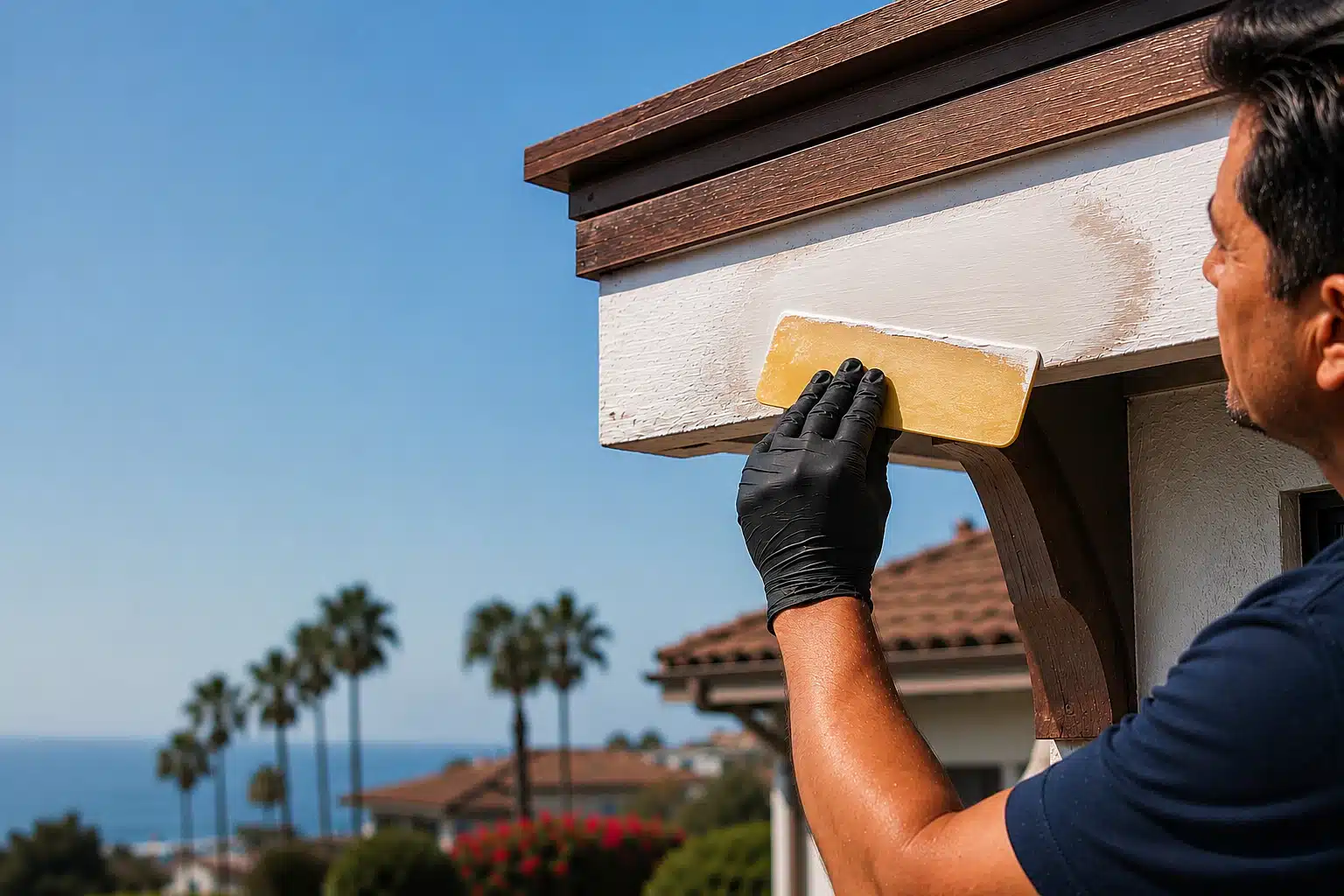
WRP Topping Compound is the final finishing material used after an epoxy wood repair has completely cured and been sanded smooth. It is designed to eliminate minor surface imperfections, create a paint-ready finish, and accurately reproduce natural wood grain by mixing in WRP Fine, Medium, or Coarse Texture Powders. Unlike epoxy repair dough, this finishing material is not used to rebuild missing wood—it is the finishing layer that helps the repair blend seamlessly with the surrounding wood.
Applied After Sanding
Allow the epoxy repair to fully cure, then sand it smooth before applying the finishing layer. A properly prepared surface creates the best finished appearance.
Creates a Smooth Finish
Fill small pinholes, sanding scratches, and minor surface imperfections to produce a uniform surface ready for primer and paint.
Matches Natural Wood Grain
Mix WRP Fine, Medium, or Coarse Texture Powders directly into the material to closely match the surrounding wood grain before the material cures.
Final Step Before Paint
After the topping compound cures, lightly sand if needed, then prime and paint the repair to blend naturally with the surrounding wood.
Before applying WRP Topping Compound, learn Epoxy Wood Repair Dough Guide, review Wood Consolidant Explained, or see the complete WRP Repair Process to understand how every step works together.
WHY IT MATTERS
Why and When to Use WRP Topping Compound
Even a well-shaped epoxy repair can contain small sanding marks, tiny air pockets, or minor imperfections that become visible after painting. The finishing layer creates the final finished surface, allowing repairs to blend naturally with the surrounding wood while providing the ideal base for primer and paint. By mixing WRP Fine, Medium, or Coarse Texture Powders directly into the finishing layer, you can also recreate realistic wood grain that closely matches the original lumber.
Refines the Repair
Smooths minor sanding scratches, pinholes, and surface imperfections left after shaping the cured epoxy repair.
Matches Wood Grain
Blend WRP Fine, Medium, or Coarse Texture Powders into the surface coat to recreate the surrounding wood grain before the material cures.
Improves the Finished Appearance
Helps repaired areas blend into the surrounding wood instead of leaving noticeable transitions after painting.
Creates a Paint-Ready Surface
After curing, lightly sand if necessary before applying primer and paint for a professional-looking repair.
Always Sand the Epoxy First
WRP Topping Compound should be applied only after the epoxy repair has completely cured and been sanded smooth. Proper surface preparation produces the best finished results.
Part of the Complete WRP System
WRP Topping Compound is the final surface-finishing step after epoxy wood repair dough. Follow the complete WRP Repair Process for long-lasting exterior wood repairs.
Continue learning with the Epoxy Wood Repair Dough Guide, Wood Consolidant Explained, or explore the complete WRP Repair Process to see how every WRP product works together.
COMMON APPLICATIONS
Where to Use WRP Topping Compound
This product is used as the final finishing layer after the epoxy repair has cured and been sanded smooth. It creates a paint-ready surface, removes small imperfections, and allows you to recreate natural wood grain by mixing in WRP Texture Powders before the material cures.
Fascia Boards
Create smooth repairs and match the surrounding wood grain on fascia boards before priming and painting.
Windows & Doors
Blend repairs into surrounding trim, jambs, sills, and casing for a seamless finished appearance.
Columns & Beam Ends
Restore a smooth, natural-looking finish on structural wood repairs before applying primer and paint.
Trim & Decorative Details
Reproduce fine architectural details and realistic wood texture before the final finish is applied.
Match Existing Wood Grain
Mix Fine, Medium, or Coarse WRP Texture Powders into the topping compound to closely match the grain pattern of the surrounding wood before it cures.
Final Surface Before Paint
WRP Topping Compound is the last repair material applied before primer and paint. Learn how epoxy repair dough works and review the complete WRP Repair Process before beginning your project.
Continue with Wood Consolidant Explained, learn about Epoxy Wood Repair Dough, browse the WRP Product Line, or explore more repair guides in the WRP Learning Center.
APPLY IT AT THE RIGHT TIME
When to Apply WRP Topping Compound
The finishing material is applied only after the epoxy wood repair has completely cured and been sanded smooth. It is the final finishing step before primer and paint, creating a uniform surface while allowing the repair to be textured to match the surrounding wood grain.
After the Epoxy Has Cured
Allow the epoxy repair dough to fully cure before beginning any finishing work. Applying topping compound too early can affect the final repair.
Sand the Epoxy Smooth
Shape and sand the cured epoxy until the repair closely matches the surrounding wood. Topping compound is intended to refine the surface—not correct major shaping errors.
Add Texture if Needed
Mix WRP Fine, Medium, or Coarse Texture Powders into the topping compound before application to reproduce the existing wood grain and improve the finished appearance.
Prime and Paint
After the topping compound has cured, lightly sand if necessary before applying primer and paint for a durable, professional-looking finish.
Topping Compound Is Not a Filler
Use WRP Epoxy Wood Repair Dough to rebuild missing wood first. WRP Topping Compound is designed only to refine the surface and reproduce realistic wood grain.
Best Results
Follow the complete WRP system by preparing the wood, applying Wood Consolidant, rebuilding with Epoxy Wood Repair Dough, then completing the surface-finishing step.
Learn more about Epoxy Wood Repair Dough, Wood Consolidant Explained, review the complete WRP Repair Process, or browse the WRP Product Line to find the right products for your project.
FINISHING THE REPAIR
Sanding and Painting WRP Topping Compound
Yes. After the finishing layer has completely cured, it can be lightly sanded to refine the surface before primer and paint are applied. When mixed with WRP Texture Powders, the repaired area can closely resemble the surrounding wood grain, creating a natural, professional-looking repair.
Light Final Sanding
After curing, lightly sand the topping compound to remove any minor tool marks and create a smooth transition into the surrounding wood.
Preserve the Wood Grain Texture
Sand carefully to preserve the wood grain pattern created by the Fine, Medium, or Coarse WRP Texture Powders mixed into the finishing layer.
Prime Before Painting
Once the surface has been properly finished, apply a quality primer followed by your chosen exterior paint or coating for long-term protection. For broader technical guidance on preparing and finishing wood surfaces, consult the USDA Forest Service Wood Handbook.
Seamless Finished Appearance
When applied correctly, the repair blends naturally into the surrounding wood, making it difficult to distinguish after the project has been painted.
Texture Before It Cures
Any wood grain texture should be created while the material is still workable. Once cured, only light finish sanding should be required.
Complete the WRP System
The best results come from following the complete repair process—prepare the wood, apply Wood Consolidant, rebuild with Epoxy Wood Repair Dough, then apply the finishing layer before priming and painting.
Next, learn more about Epoxy Wood Repair Dough, review How WRP Works, browse the WRP Product Line, or return to the WRP Learning Center for additional wood repair guides.
AVOID COMMON MISTAKES
Common Mistakes When Using WRP Topping Compound
The product is designed to produce a smooth, professional finish, but the quality of the final repair depends on proper preparation and application. Avoid these common mistakes to achieve the most natural-looking and durable results.
Applying Over Unsanded Epoxy
Always allow the epoxy repair to cure completely, then sand it smooth before applying the final surface coat. Skipping this step can reduce the quality of the finished repair.
Applying It Too Thick
This finishing material is intended to refine the surface, not rebuild missing wood. Deep repairs should first be completed with WRP Epoxy Wood Repair Dough.
Using the Wrong Texture
Select the WRP Texture Powder that best matches the surrounding wood. Fine, Medium, and Coarse textures each produce different grain patterns for a more natural repair.
Waiting Too Long to Texture
Create the wood grain while the topping compound is still workable. Once curing begins, the texture can no longer be formed properly.
Test Before Applying
Mix a small amount of the finishing material and texture powder on a scrap surface first. This makes it easier to match the existing wood grain before working on the actual repair.
Follow the Complete WRP System
For the best results, prepare the wood, apply Wood Consolidant, rebuild with Epoxy Wood Repair Dough, then complete the surface before priming and painting.
Continue with How WRP Works, browse the WRP Product Line, or visit the WRP Learning Center for more professional wood repair guides.
COMPLETE WRP REPAIR PROCESS
Where WRP Topping Compound Fits in the Complete Repair Process
The finishing layer is the final repair material used before primer and paint. After the wood has been prepared, strengthened, rebuilt with epoxy, and sanded smooth, the finishing material refines the surface and can be textured to closely match the surrounding wood before the repair is finished.
Prepare the Wood
Remove deteriorated wood, eliminate the source of moisture, and properly prepare the repair area.
Consolidate & Rebuild
Strengthen the remaining wood with WRP Wood Consolidant, then rebuild missing wood using WRP Epoxy Wood Repair Dough.
Sand the Epoxy Smooth
Once the epoxy has fully cured, shape and sand the repair until it closely matches the surrounding wood profile.
Apply WRP Topping Compound
Apply a thin finishing coat and, when needed, mix in Fine, Medium, or Coarse WRP Texture Powders to recreate realistic wood grain before priming and painting.
Smooth Paint-Ready Finish
Refines the repair by filling small imperfections before primer and paint are applied.
Realistic Wood Grain
Texture powders allow the finished repair to closely match the surrounding wood, creating a more natural appearance after painting.
Complete WRP System
Every product in the WRP system is designed to work together, producing stronger, longer-lasting wood repairs.
Learn more about Wood Consolidant Explained, Epoxy Wood Repair Dough, How to Prepare Wood for Repair, or explore additional repair guides in the WRP Learning Center.
FREQUENTLY ASKED QUESTIONS
Frequently Asked Questions About WRP Topping Compound
These are the questions we hear most often about WRP Topping Compound. Learn more throughout the WRP Learning Center or review How WRP Works to see the complete repair process.
What is WRP Topping Compound used for?
WRP Topping Compound is used as the final finishing layer after an epoxy wood repair has cured. It smooths minor imperfections, creates a paint-ready surface, and can be mixed with WRP Texture Powders to reproduce realistic wood grain.
Do I sand the epoxy before applying WRP Topping Compound?
Yes. The epoxy repair should be completely cured and sanded smooth before applying WRP Topping Compound. Proper surface preparation produces the best finished appearance.
Can I mix WRP Texture Powders into the topping compound?
Yes. Fine, Medium, and Coarse WRP Texture Powders are mixed directly into the material before application to match the surrounding wood grain.
Which texture powder should I use?
Choose the texture that most closely matches the surrounding wood. Fine works well for smooth grain, Medium for most common wood textures, and Coarse for heavy or deeply textured grain.
Can WRP Topping Compound rebuild missing wood?
No. Missing wood should first be rebuilt with WRP Epoxy Wood Repair Dough. WRP Topping Compound is designed only to refine the surface and create the final finish.
Can WRP Topping Compound be sanded and painted?
Yes. After it has cured, WRP Topping Compound can be lightly sanded if needed, then primed and painted as part of the complete WRP repair system.
Where can I learn the complete WRP repair process?
Visit How WRP Works for a complete step-by-step guide, or browse the WRP Learning Center for additional repair articles and product guides.
CONTINUE LEARNING
Complete Your Wood Repair Knowledge
This product is the final finishing step of the WRP Wood Repair System. By understanding how preparation, consolidation, rebuilding, surface refinement, and wood grain texturing work together, you'll achieve stronger repairs with a more natural, professional appearance.
Wood Consolidant Explained
Learn how WRP Wood Consolidant strengthens weakened wood fibers before rebuilding damaged areas with epoxy repair dough.
Epoxy Wood Repair Dough Guide
Discover how WRP Epoxy Wood Repair Dough permanently rebuilds missing wood before the final finishing stage.
See the Complete WRP System
View every step of the WRP repair process from wood preparation through priming and painting.
Continue reading How to Prepare Wood for Repair, Can Rotten Wood Be Repaired?, Repair or Replace Rotten Wood?, How Much Rotten Wood Should Be Removed?, or contact WRP if you have questions about your repair project.