
WRP SYSTEM & PRODUCT GUIDES
How to Use Cobra Rods to Protect Repaired Wood
How to use Cobra Rods begins with selecting suitable sound wood near the repaired area. This guide explains where the preservative rods are installed, how copper and borate ingredients work inside moisture-prone wood, and how the treatment complements the WRP Wood Repair System after damaged wood has been properly restored.
PRODUCT OVERVIEW
How to Use Cobra Rods to Protect Repaired Wood
How to use Cobra Rods starts with understanding that these internal wood preservative rods are designed to help protect wood from fungal decay and wood-destroying insects. Rather than repairing missing wood, they slowly dissolve inside moisture-prone wood, allowing their active ingredients to migrate through the surrounding wood fibers over time.
Internal Treatment
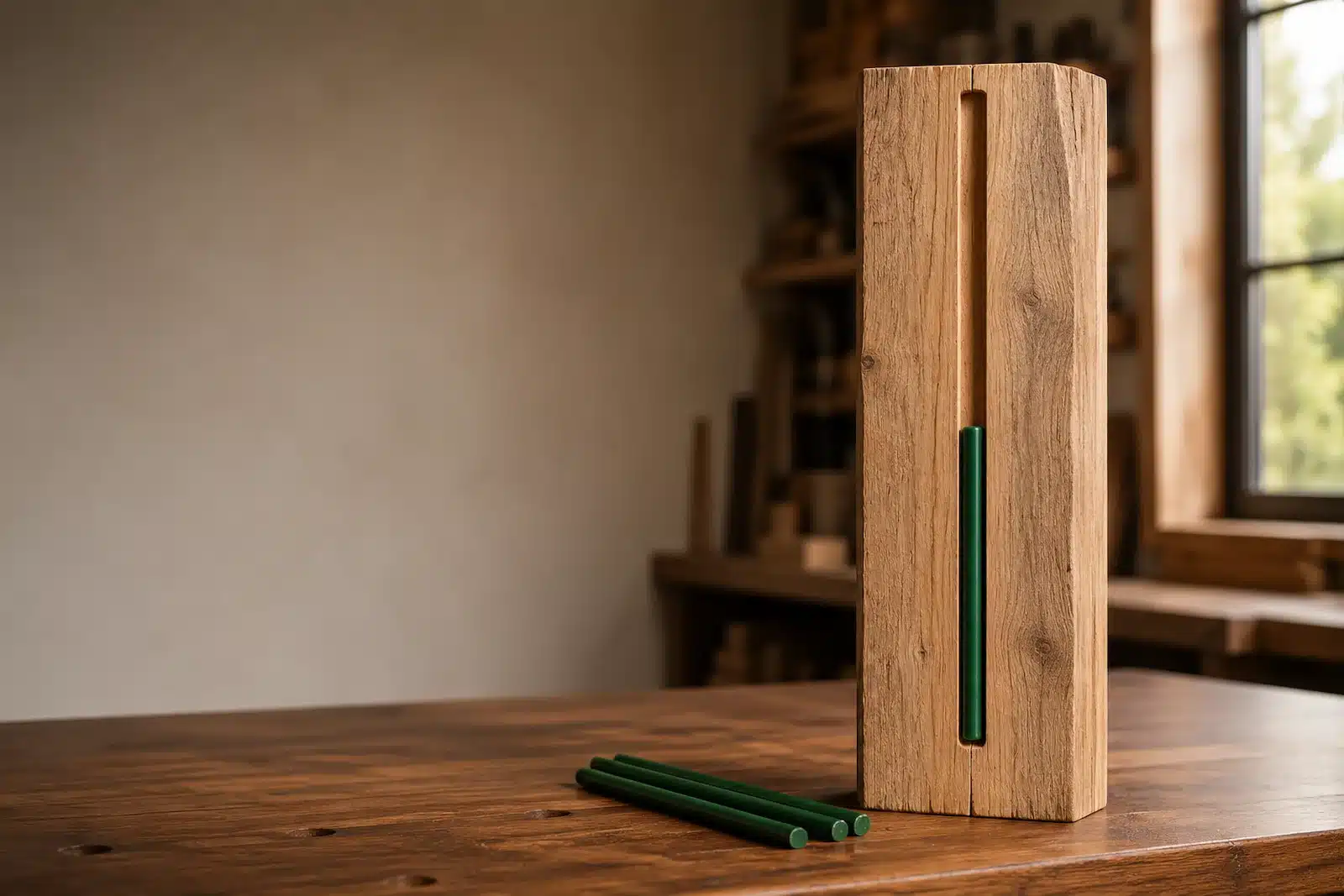
The preservative rods are installed inside drilled treatment holes where they gradually dissolve and disperse preservative ingredients throughout the surrounding wood.
Copper & Borate Formula
The product contains a combination of copper and borate-based preservatives that help protect susceptible wood from fungal decay and insect attack.
Long-Term Protection
As moisture becomes available within the wood, the preservative ingredients migrate beyond the treatment hole to help protect nearby wood fibers over an extended period.
Part of a Complete Repair
Preservative rods are not a substitute for repairing deteriorated wood. They are often used alongside the WRP Wood Repair System to help protect repaired wood after restoration has been completed.
Cobra Rods and the WRP Wood Repair System
The WRP Wood Repair System restores damaged wood by removing deterioration, strengthening suitable remaining wood, rebuilding missing sections, and finishing the repair. Cobra Rods serve a different purpose—they provide internal preservative treatment that may be incorporated into an overall maintenance strategy for moisture-prone wood. When appropriate, the two systems can complement one another to help extend the service life of repaired exterior wood.
HOW THEY WORK
How Cobra Rods Protect Repaired Wood from Future Rot
Unlike surface-applied preservatives, the rods are installed inside drilled treatment holes within the wood. As moisture naturally moves through the wood, the rod gradually dissolves, allowing its preservative ingredients to migrate through the surrounding wood fibers. This helps protect susceptible wood from fungal decay and wood-destroying insects over time.
Drill the Treatment Hole
A properly sized treatment hole is drilled into sound wood. Hole size and depth are selected based on the Cobra Rod size and the desired preservative loading.
Insert the Cobra Rod
One or more preservative rods are inserted into the treatment hole. The hole is then sealed with a Cobra Plug to help retain the preservative treatment within the wood.
Moisture Activates the Rod
As moisture enters the wood, the Cobra Rod gradually dissolves, releasing copper and borate preservatives that begin migrating through the surrounding wood fibers.
Ongoing Wood Protection
The preservative ingredients continue dispersing within the wood, helping protect vulnerable areas from future fungal decay and insect attack while becoming part of an overall maintenance strategy.
Internal Application
The treatment works from inside the wood rather than being applied only to the surface.
Moisture Activated
The preservative system becomes active when sufficient moisture is present within the wood.
Complements WRP Repairs
The rods help protect repaired wood internally, while the WRP Wood Repair System restores the damaged wood externally.
COMMON APPLICATIONS
How to Use Cobra Rods on Repaired Wood
Use of the preservative rods depends on moisture exposure, wood condition, and the need for long-term internal protection. They are commonly incorporated into preventative maintenance programs and can also complement many exterior wood restoration projects after deteriorated wood has been properly repaired.
Structural Beam Ends
Beam ends exposed to weather are common locations for moisture intrusion. The rods may be incorporated into a long-term protection strategy after the beam has been properly restored.
Porch Columns & Posts
Columns and posts subjected to repeated wetting can benefit from internal preservative treatment as part of a complete maintenance and repair program.
Pergolas & Heavy Timbers
Large exposed wood members that experience seasonal moisture cycles are often suitable candidates for preventative preservative treatment.
Historic Restoration
Preserving original wood is often a priority during historic restoration projects, making long-term internal preservative protection an important consideration.
Preservative Rods Are One Part of a Complete Wood Protection Strategy
The preservative treatment does not replace proper repair practices. Damaged wood should first be evaluated, all deteriorated material removed, moisture sources corrected, and the wood restored using the appropriate WRP repair products. The rods can then be used, where appropriate, to provide ongoing internal preservative protection within susceptible wood members.
In the next section, we'll look at how the preservative rods fit into the complete WRP Wood Repair System and where they belong within the repair process.
INSTALLATION TIMING
Why Cobra Rods Are Installed After Wood Repair
These preservative rods are not structural repair material. Damaged wood should first be inspected, the moisture source corrected, and all loose or deteriorated material removed. After the repair area has been properly restored, the rods can be installed in suitable sound wood to provide long-term internal preservative protection.
Correct the Moisture Source
Repair leaks, failed flashing, drainage problems, or other conditions that caused the wood to remain wet.
Remove and Repair Damage
Remove unsound wood, strengthen suitable remaining fibers, and rebuild missing sections with the appropriate WRP products.
Install the Rods in Sound Wood
Drill the correct hole size and install the rods in sound wood surrounding the repaired area, following the current product instructions.
Finish and Maintain the Repair
Seal the installation hole as directed, complete the surface finish, and continue routine inspections and moisture control.
Shop Cobra Rods and Review the Complete Repair Process
Use WRP Cobra Rods where internal preservative protection is appropriate, and review How WRP Works for the complete preparation, consolidation, rebuilding, and finishing process.
KEY BENEFITS
Benefits of Internal Preservative Treatment After Wood Repair
The rods are designed to provide long-term internal preservative treatment for wood that is vulnerable to moisture, fungal decay, and wood-destroying insects. When incorporated into an overall maintenance and repair strategy, they can help extend the service life of exterior wood components.
Internal Protection
Because the rods are installed inside the wood, the preservative treatment works from within rather than only on the surface.
Helps Resist Decay
The copper-and-borate preservative system is designed to help protect susceptible wood against fungal decay and biological deterioration.
Moisture Activated
The preservative ingredients are released as moisture becomes available within the wood, helping distribute protection through surrounding wood fibers.
Complements WRP Repairs
The preservative treatment works alongside the WRP Wood Repair System by adding internal preservative treatment after damaged wood has been professionally restored.
A Long-Term Approach to Wood Protection
Successful exterior wood restoration involves more than simply repairing visible damage. Moisture management, proper repair techniques, high-quality restoration materials, protective coatings, and ongoing maintenance all contribute to extending the life of wood. When appropriate, Cobra Rods can become another component of that long-term protection strategy by helping preserve susceptible wood from the inside.
WHERE THEY'RE USED
Where to Install Preservative Rods in Repaired Wood
The rods are commonly used in exterior wood structures that are regularly exposed to moisture and environmental conditions that promote fungal decay. They are often incorporated into maintenance programs to help preserve valuable wood components for many years.
Residential Applications
- Porch columns
- Structural beam ends
- Pergolas
- Deck support posts
- Heavy timber framing
- Exterior architectural woodwork
Commercial & Institutional Applications
- Historic buildings
- Parks and recreation structures
- Boardwalks
- Marinas and waterfront structures
- Wood bridges
- Utility poles and transmission structures
Best Used Where Moisture Is Present
The treatment is intended for wood that is susceptible to repeated moisture exposure, where long-term preservative protection is beneficial.
Preserve Existing Wood
They are often selected when preserving original wood is preferred over replacing valuable structural or architectural components.
Complements Restoration
After completing repairs with the WRP Wood Repair System, The rods may be incorporated into an overall maintenance strategy to help protect surrounding wood from future biological deterioration.
Choosing the Right Application
Not every repair requires internal preservative rods. Their use depends on the structure, exposure conditions, moisture history, maintenance goals, and the owner's long-term preservation strategy. When used appropriately alongside proper repairs and moisture management, the rods can become one component of a comprehensive wood protection program.
BEST PRACTICES
Mistakes to Avoid With Internal Preservative Rods
The rods are most effective when installed correctly and used as part of a complete wood preservation strategy. Avoiding these common mistakes can help maximize the long-term performance of both the preservative treatment and your WRP repair.
Installing Preservative Rods in Unsound Wood
The rods are intended to help protect remaining wood. Severely deteriorated wood should first be removed and repaired before considering preservative treatment.
Ignoring the Source of Moisture
Preservative treatment should never replace proper moisture management. Correct leaks, drainage issues, flashing problems, and other sources of water intrusion before completing the repair.
Using the Wrong Hole Size or Depth
Follow the manufacturer's recommendations for drill diameter, hole depth, rod quantity, and loading to ensure proper installation. For broader technical guidance on wood preservation and decay, review the USDA Forest Service Wood Handbook.
Skipping the Cobra Plug
After the rods are installed, the treatment hole should be sealed using the recommended Cobra Plug as outlined by the manufacturer.
Expecting Preservative Rods to Repair Damaged Wood
The rods provide internal preservative treatment—they do not replace missing wood or restore structural strength. Damaged wood should be repaired using the appropriate WRP products.
Skipping Routine Inspections
Even after a professional repair and preservative treatment, exterior wood should be inspected periodically to identify coating failures, moisture problems, or new signs of decay before they become major repairs.
The Best Long-Term Results
Long-lasting exterior wood repairs are achieved through proper moisture control, removal of deteriorated wood, high-quality restoration materials, protective finishes, routine maintenance, and—when appropriate—internal preservative treatment with Cobra Rods. Using each product for its intended purpose provides the greatest opportunity for durable, long-term performance.
FREQUENTLY ASKED QUESTIONS
Cobra Rod FAQs
Find answers to common questions about using preservative rods as part of a long-term wood protection strategy.
What are Cobra Rods used for?
They are internal wood preservative rods designed to help protect wood from fungal decay and wood-destroying insects. They are commonly used in wood exposed to recurring moisture where long-term preservation is desired.
Do Cobra Rods repair rotten wood?
No. The rods do not rebuild or strengthen damaged wood. They provide internal preservative treatment. Deteriorated wood should first be repaired using an appropriate wood restoration system such as WRP.
Where are Cobra Rods installed?
The rods are installed into properly sized drilled treatment holes within the wood and sealed according to the manufacturer's installation recommendations.
Can Cobra Rods be used with the WRP Wood Repair System?
Yes. The preservative rods and the WRP Wood Repair System serve different purposes. WRP restores damaged wood, while Cobra Rods provide internal preservative treatment to help protect susceptible wood after repair.
Are Cobra Rods required for every repair?
No. Their use depends on the type of structure, exposure to moisture, maintenance objectives, and the owner's long-term preservation strategy.
Can Cobra Rods help protect repaired wood from future decay?
When installed correctly and used in appropriate applications, Cobra Rods provide internal preservative treatment that can become part of a comprehensive wood preservation and maintenance program.
How long do Cobra Rods last?
The rods are designed for long-term internal preservative treatment. Their service life depends on moisture conditions, wood exposure, installation, and the amount of preservative required for the application.
Do Cobra Rods prevent wood rot?
The rods help protect suitable wood from fungal decay by releasing preservative ingredients inside moisture-prone wood. They do not correct leaks, rebuild missing wood, or replace proper repair and maintenance.
Are Cobra Rods borate rods?
Yes. They are borate wood preservative rods. The product uses disodium octaborate as its primary ingredient and also contains copper and boric acid.
Can Cobra Rods be installed after epoxy wood repair?
Yes, when appropriate for the project. Install the rods in suitable sound wood surrounding the repaired area rather than treating them as a substitute for consolidant, epoxy repair material, or structural evaluation.
Where can I buy WRP Cobra Rods?
Visit the WRP Cobra Rods product page to review the product, available options, installation guidance, and current ordering information.
BUILD A LONGER-LASTING WOOD REPAIR
Protect Your Repair From the Inside Out
A successful wood repair begins by removing deteriorated wood, correcting moisture problems, and restoring the damaged area using the WRP Wood Repair System. Where long-term internal preservative treatment is appropriate, Cobra Rods can complement your repair strategy by helping protect susceptible wood from future biological deterioration.